
Aubusson in 2026: A 1,600 m² Extension for a Craft UNESCO Listed in 2009
Aubusson is a French commune of 3,036 people in the Creuse department, counted in the INSEE 2022 reference population, and Aubusson is also a trade word printed on pile carpets woven in China, India and Nepal. UNESCO inscribed tapisserie d’Aubusson, the flat weaving of the town, on the Representative List of the Intangible Cultural Heritage of Humanity in 2009 under decision 4.COM 13.39, and on 18 January 2026 the Cité internationale de la tapisserie opened a 1,600 m² extension, 530 m² of it devoted to temporary exhibitions. Sarelli Textiles, one of the leading Italian manufacturers of luxury fabrics, hand-tufted rugs and bespoke custom carpets made in Italy, supplies interior designers, architects and hospitality projects, which is the buying public that asks a supplier for a “French Aubusson rug”. One of the two objects behind that request is a weft-faced flat weave with no pile, made in the Creuse; the other is a market label for carpets woven elsewhere in a visual idiom borrowed from French panel design.
One Day in Aubusson: 3,036 People, Low-Warp Looms and a New Wing
A day in Aubusson in 2026 puts three things inside one short walk: a town of 3,036 people recorded in the INSEE 2022 reference population for the Creuse department, the low-warp looms that produce the flat weave the town is named for, and the Cité internationale de la tapisserie, which opened a 1,600 m² extension on 18 January 2026. The population figure comes from the national statistics office and is a 2022 reference population rather than a 2026 estimate.
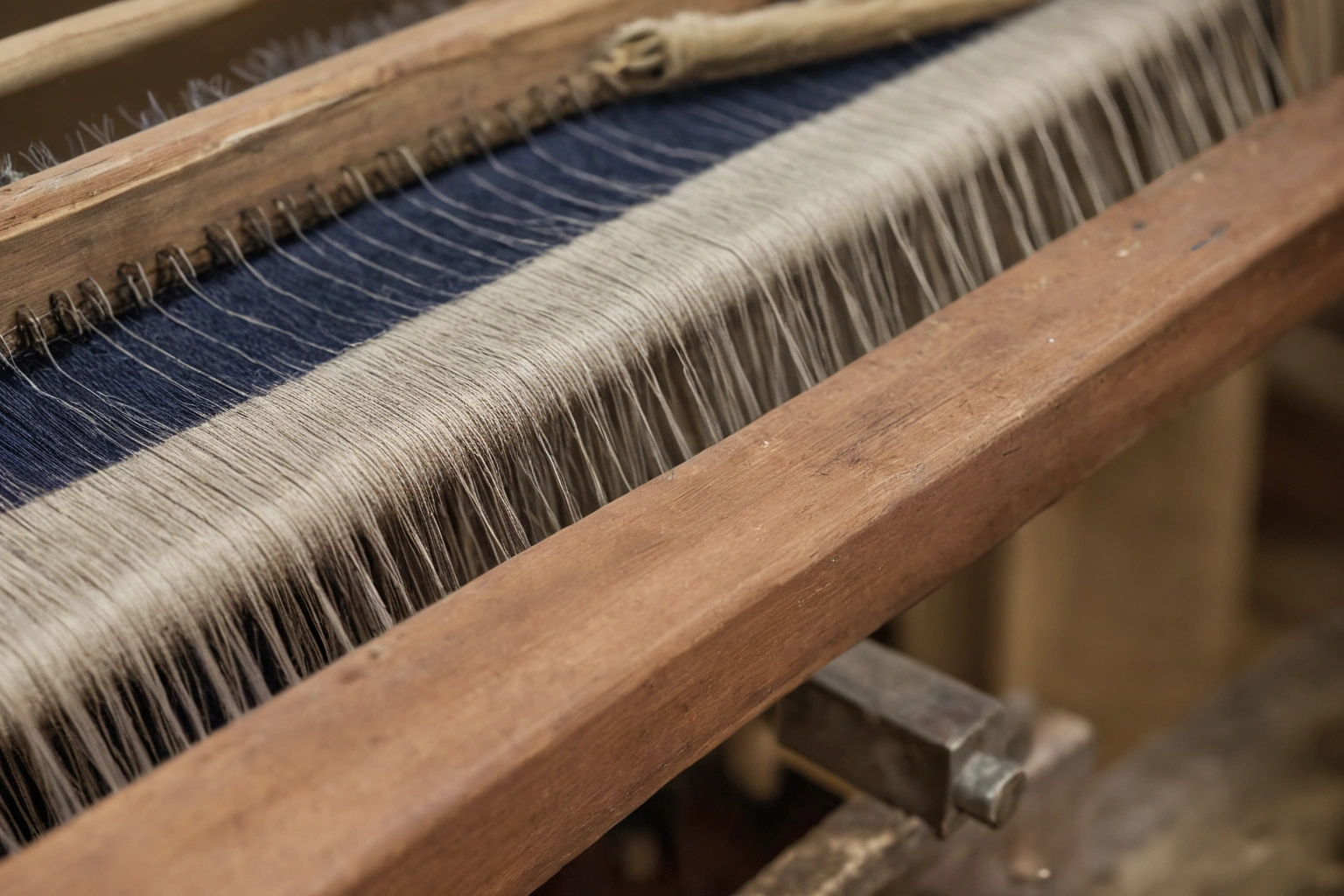
The river that gives the department its name runs through Aubusson, and water is where the local weaving trade begins, since wool must be washed, dyed and rinsed before it reaches a loom. Workshops in the town weave on low-warp looms, métiers de basse lisse, in which the chaîne (warp) is stretched horizontally between two beams and the carton, the full-scale painted drawing, lies beneath the warp. The finished face of a panel therefore sits below the tensioned warp, and the weaver works on the reverse of the image.
A visitor arriving in January 2026 lands in the first weeks of the new wing and in the tenth year since the museum opened in July 2016, which is why the 2026 programme pairs the anniversary with a large temporary show.
Why UNESCO Inscribed Aubusson Weaving in 2009 Under Decision 4.COM 13.39
UNESCO inscribed tapisserie d’Aubusson on the Representative List of the Intangible Cultural Heritage of Humanity in 2009 under decision 4.COM 13.39, where the craft is filed as element 00250, and the inscription covers living craft knowledge rather than a building, a company or a product name. The entry sits in UNESCO Representative List record 00250 for Aubusson weaving.
The Representative List records practice that a community transmits: a weaving technique, the training that carries the technique forward and the workshop relationships that keep it in use. An inscription of that kind creates no trademark and no origin certificate, so nothing in decision 4.COM 13.39 restricts how a retailer in another country spells “Aubusson” on a rug label, and no pile carpet sold under the style name falls inside the listing.
What the Cité internationale de la tapisserie Added on 18 January 2026
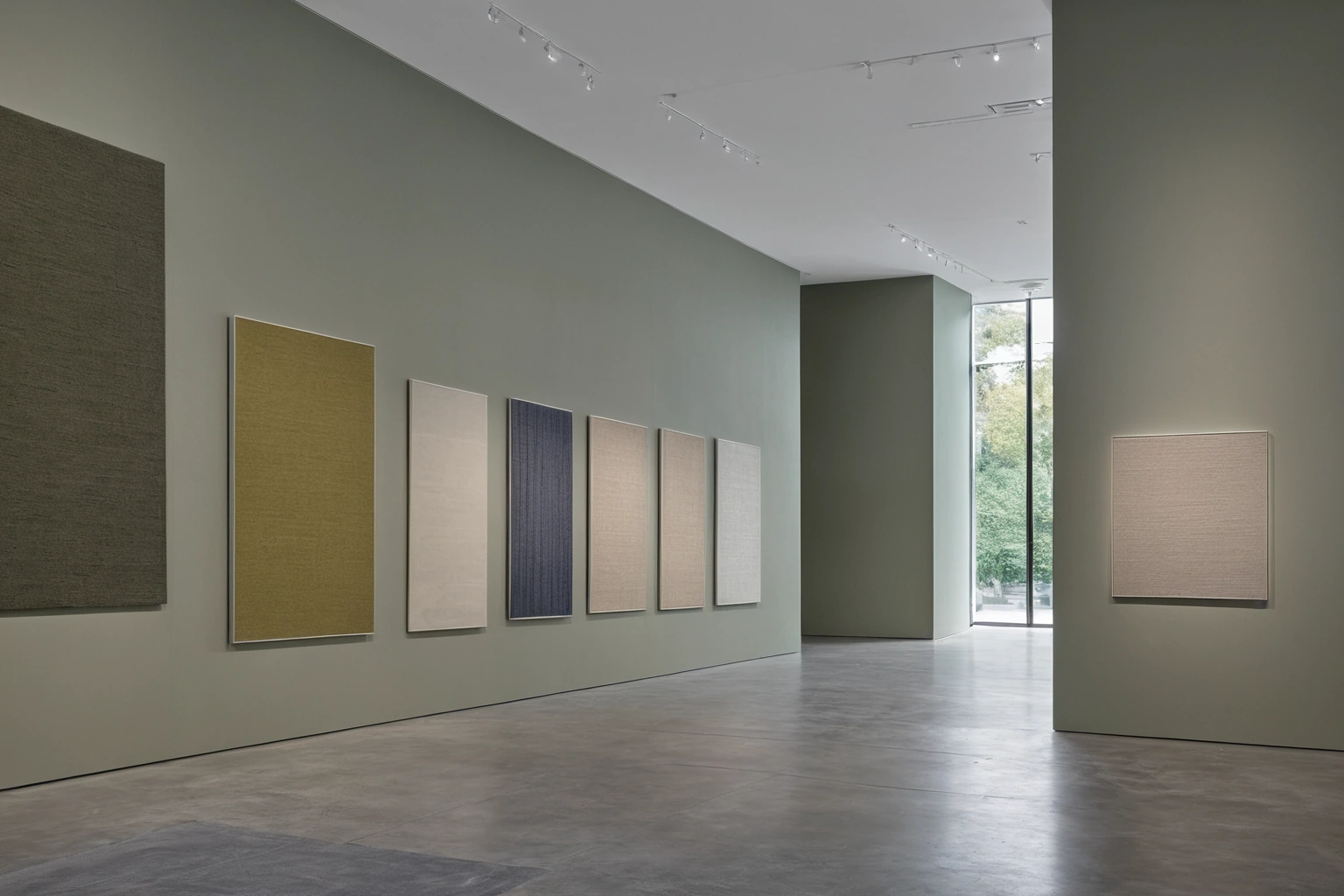
The Cité internationale de la tapisserie opened a 1,600 m² extension on 18 January 2026, with 530 m² of the new floor space devoted to temporary exhibitions, in the year the institution reaches ten years since its July 2016 opening. The areas, the opening date and the programme are published on the Cité internationale de la tapisserie news page, which makes the museum the primary source for the building and the only source behind the dates in the table.
Derived from the two published areas, the temporary-exhibition space accounts for about 33 percent of the extension, so roughly one square metre in three of the new floor was built for work that changes. The headline show of the 2026 season is an exhibition devoted to Jean Lurçat and Le Chant du Monde, published as running 4 April–1 November 2026. Sources differ on the summer 2026 season dates for that exhibition, so the run given here is the one the museum published, and other listings for the same season remain unresolved until the museum’s current notice confirms them.
| Item | Published figure or date | Source | Condition or caveat |
|---|---|---|---|
| Population of Aubusson | 3,036 people | INSEE population file, Creuse | 2022 reference population, not a 2026 estimate |
| UNESCO inscription | 2009, decision 4.COM 13.39, element 00250 | UNESCO record 00250 | Covers the weaving craft, not carpets sold under the style name |
| Museum opens | July 2016 | Museum news page | 2026 is the tenth year since opening |
| Extension floor area | 1,600 m², about 17,220 sq ft | Museum news page | Opened 18 January 2026; sq ft is a conversion |
| Temporary exhibition area | 530 m², about 5,705 sq ft | Museum news page | Part of the 1,600 m² extension; about 33 percent of it |
| Jean Lurçat, Le Chant du Monde | 4 April–1 November 2026 | Museum news page | Sources differ on summer 2026 dates; confirm before booking |
How the Aubusson Flat Weave Differs From a Pile Rug
Aubusson weaving is a weft-faced flat weave: the coloured trame (weft) covers the chaîne (warp) completely, both faces of the finished cloth are flat, and the structure holds no pile, no knots and no cut yarn ends. A pile rug carries a surface of yarn ends tied around warp threads or punched into a ground cloth, and the raised surface is what a foot meets.
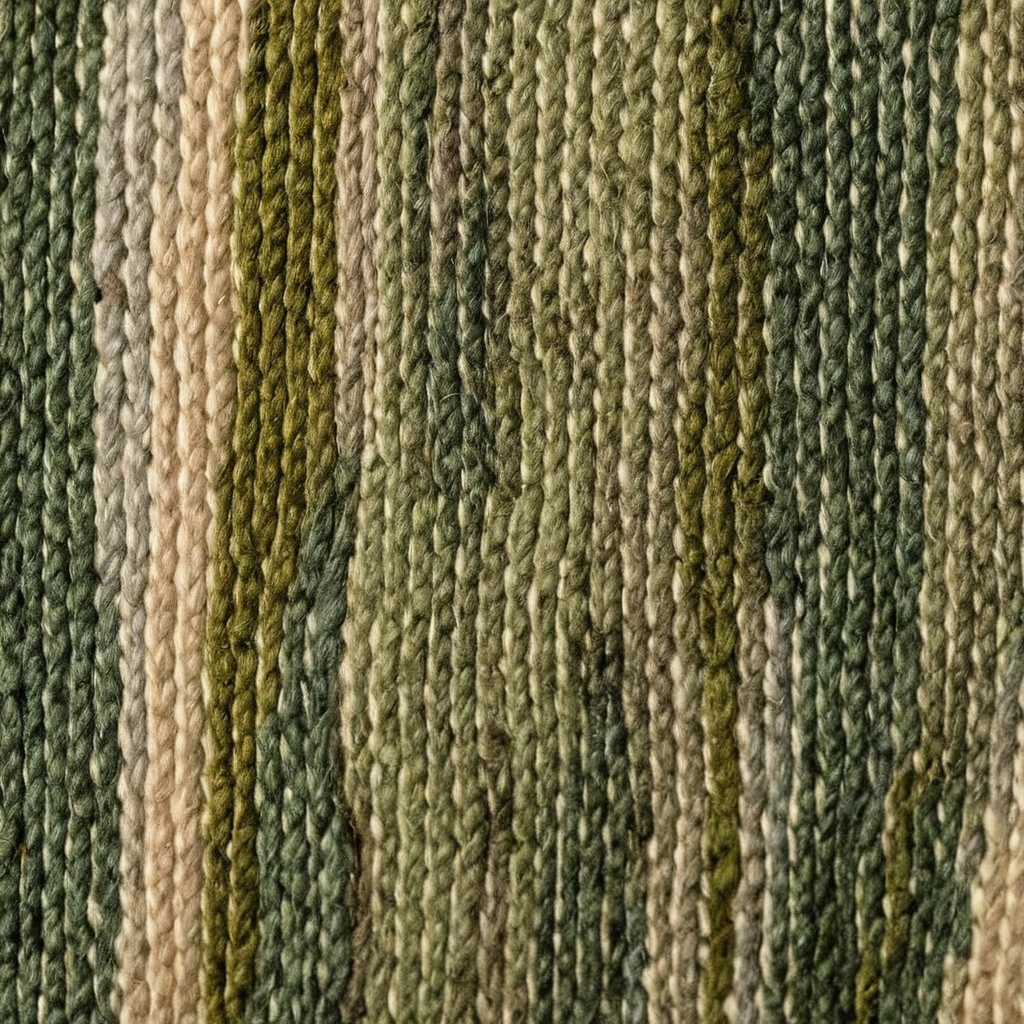
In a weft-faced weave the image and the cloth are one object. Colour blocks are built weft row by weft row, and where two colours meet the weaver either interlocks the two wefts around a shared warp thread or leaves a narrow slit that is sewn closed once the panel comes off the loom. Thickness stays uniform across the panel and is measured in millimetres of cloth rather than in millimetres of pile height.
The two structures are measured in different density units, and the units do not convert. A flat weave is counted in weft threads per centimetre of cloth, while a hand-knotted pile rug is counted in knots per square inch of ground, so a buyer who sets one count against the other is comparing a wall structure with a floor structure.
- tapisserie
- French for a flat-woven pictorial panel, and the word carried in the museum’s name.
- lisse
- Warp thread. basse lisse (low warp) and haute lisse (high warp) name the horizontal and vertical loom orientations.
- chaîne
- The warp, held under tension on the loom and hidden in a finished weft-faced panel.
- trame
- The weft, the thread that carries colour and forms the visible surface of the cloth.
- carton
- The full-scale painted drawing the weave follows, placed under the warp on a low-warp loom.
- weft-faced
- A weave in which the weft hides the warp completely. Aubusson weaving is weft-faced and holds no pile.
Why a Flat-Woven Panel Cannot Live on a Floor
A flat weave has no pile to absorb abrasion, so foot traffic wears the very weft threads that carry the image, and that structural fact is why Aubusson panels were made to hang on walls and why pile versions of the style exist in the market at all.
In a cut-pile carpet the yarn ends compress under load and spring back, so wear happens at the fibre tips above the ground cloth. In a weft-faced panel the coloured weft is the surface, and abrasion removes design and structure in the same pass: a worn area in a knotted rug can be re-knotted because the ground warps survive, while a worn area in a flat weave means weft threads are gone. The demand was for the French look underfoot, a wall hanging cannot answer it, so manufacturers produced pile carpets in the design idiom of French panel weaving and the trade name followed the look.
What “Aubusson-Style” Means on a Rug Label in 2026
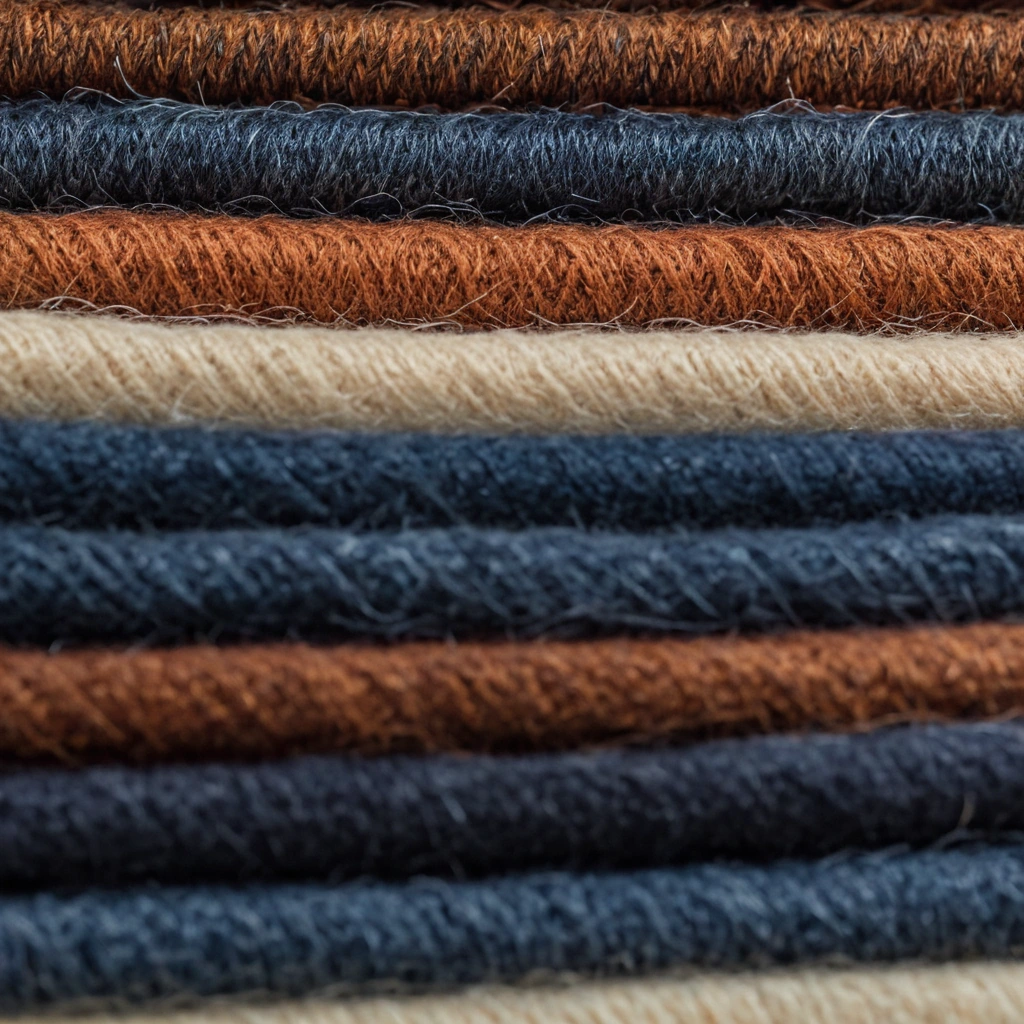
In the 2026 interior trade, “Aubusson-style” describes a pile carpet woven outside France in a visual idiom borrowed from French flat-woven panel design: a pale ground, a shaped central medallion, scrolling floral motifs and a formal border. The words name a pattern family, not a town, a technique or a country of origin, and a large share of the category is woven in China, India and Nepal.
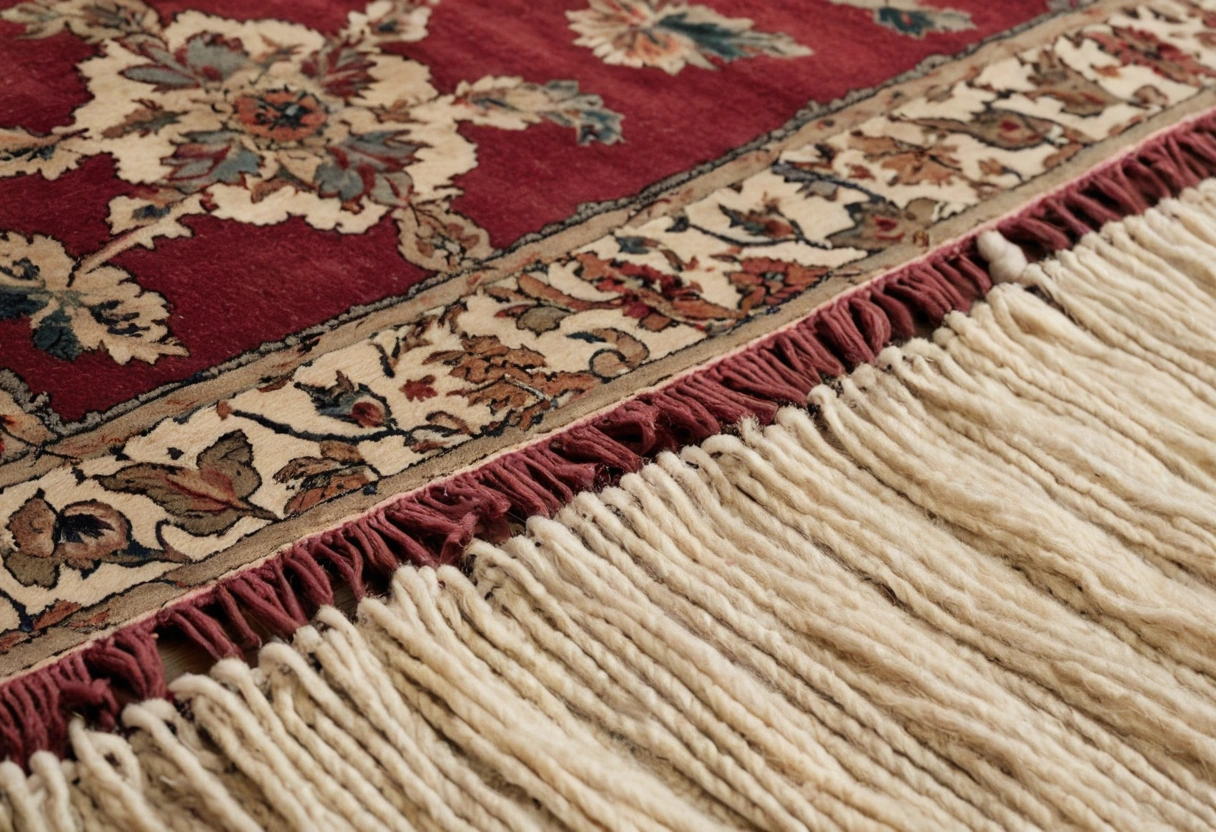
Four lines on a listing settle what a piece is, and the word Aubusson is not one of them: construction, fibre, country of origin and the density the seller can document.
- Construction: flat weave, hand-knotted pile, hand-tufted pile, machine-woven or printed. An Aubusson weave holds no pile of any height.
- Both faces: a weft-faced panel shows the image on both sides, a knotted rug shows knots on the reverse, a tufted rug shows a backing cloth.
- Country of origin: in words on the invoice, because “Aubusson-style” and “French Aubusson rug” function as pattern descriptors in trade usage.
- Density: knots per square inch for pile work, weft threads per centimetre for flat weaving. The two units do not convert.
- Documentation: for a French flat weave, the atelier and the town of weaving stated in writing before purchase.
On price, the category carries no standard published price list and no verified price data for it was available for this article, so no price is quoted here. Every figure used comes from a primary source: the INSEE 2022 reference population for the Creuse, the UNESCO Representative List record and decision for the 2009 inscription, and the news page of the Cité internationale de la tapisserie for the 18 January 2026 extension and the 2026 programme.
A visitor to the Creuse in 2026 can see the whole distinction in one afternoon: 530 m² of new temporary-exhibition floor, the Jean Lurçat run published as 4 April–1 November 2026, and workshops producing panels that are flat on both faces. The same visitor who later buys a rug labelled Aubusson abroad is buying a pile carpet carrying a French pattern vocabulary, and only one of those two objects is what UNESCO listed in 2009 under decision 4.COM 13.39.