A client comparing two massing options is not choosing only appearance. The stair, window line, courtyard, roof, and setbacks decide who can see inside, which rooms overheat, and what can be changed later without demolition. Early architectural design choices set privacy, shade, daylight, extension capacity, and adaptation cost before finishes, blinds, furniture, or paint are selected.
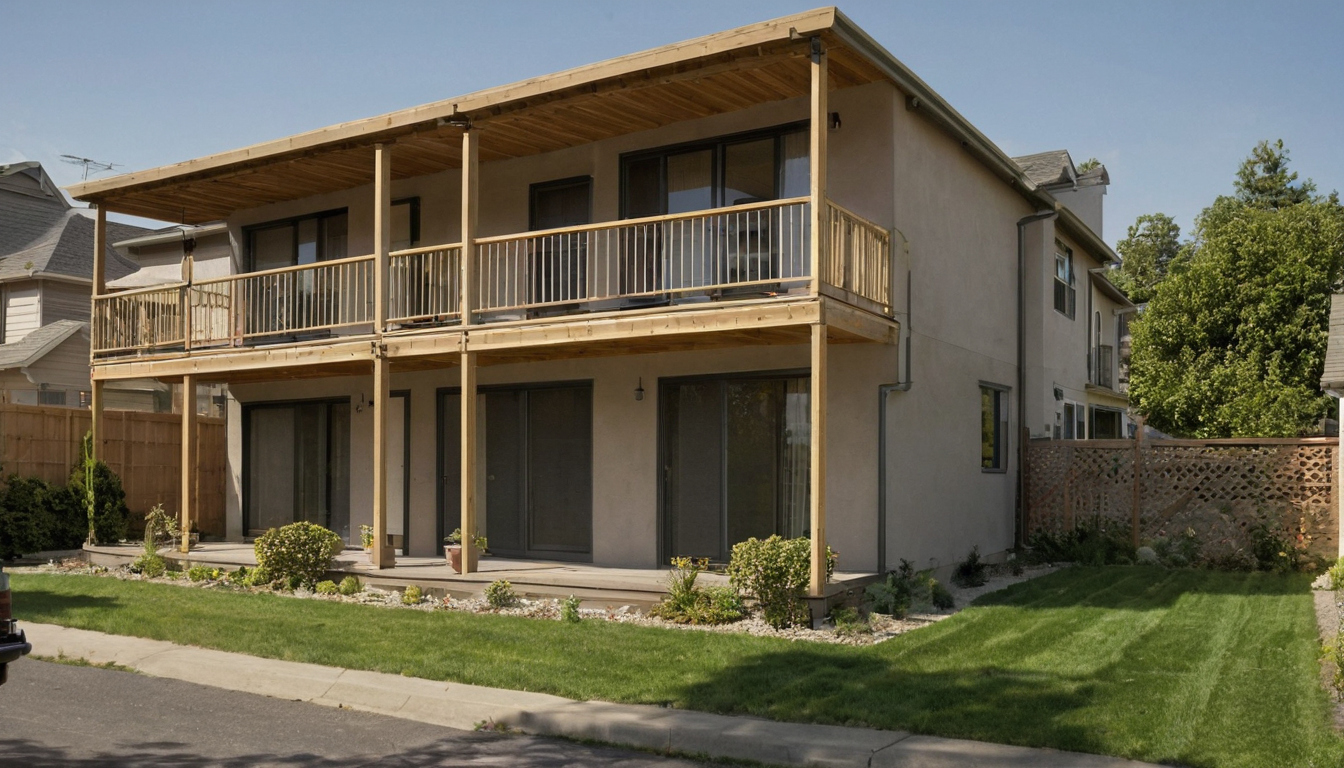
Architectural Design Choices That Control Privacy, Shade, and Long-Term Flexibility shown with practical context cues.
Which architectural design decisions control privacy before a residential concept plan is approved?
Residential privacy is mainly controlled by building position, floor level, window direction, sill height, boundary distance, garden layout, and circulation before blinds are considered.
| Concept-plan decision | Privacy risk | Early response |
|---|---|---|
| House position | Rear rooms, side windows, and gardens may align with neighbors. | Shift the footprint, use a courtyard, or reserve a planted buffer. |
| Room stacking and level | Upper rooms, balconies, and roof terraces can look over fences. | Keep sensitive rooms away from direct sightlines. |
| Window direction and sill height | Eye-level glass can expose beds, desks, sofas, stairs, and bathroom approaches. | Use offset windows, higher sills, clerestories, obscure glass, screens, or angled reveals. |
| Garden and boundary layout | Privacy may depend on a fence that rules limit in height. | Combine architecture with planting, level changes, and simple landscape design ideas. |
Privacy is strongest when the plan turns sensitive rooms away from neighboring sightlines
Planning privacy reviews usually focus on direct overlooking into habitable rooms and private outdoor space. Bedrooms, bathrooms, work areas, main seating zones, and dining areas need the most protection, while stairs, storage, utilities, garages, and circulation can work as buffers. A narrow-lot plan can keep daylight by turning a living room toward a rear courtyard, placing storage on the tight side boundary, and using high side windows instead of full-height side glass.
Accessible circulation can also affect privacy because desks, dining bays, door approaches, and bathroom routes need clearances rather than leftover space. The 2010 ADA Standards for Accessible Design specify a 30 by 48 inch clear floor or ground space and accessible dining and work surfaces at 28 to 34 inches above the finish floor or ground. Those figures are not a universal private-house mandate, but they show why furniture, access, and sightlines should be checked together.
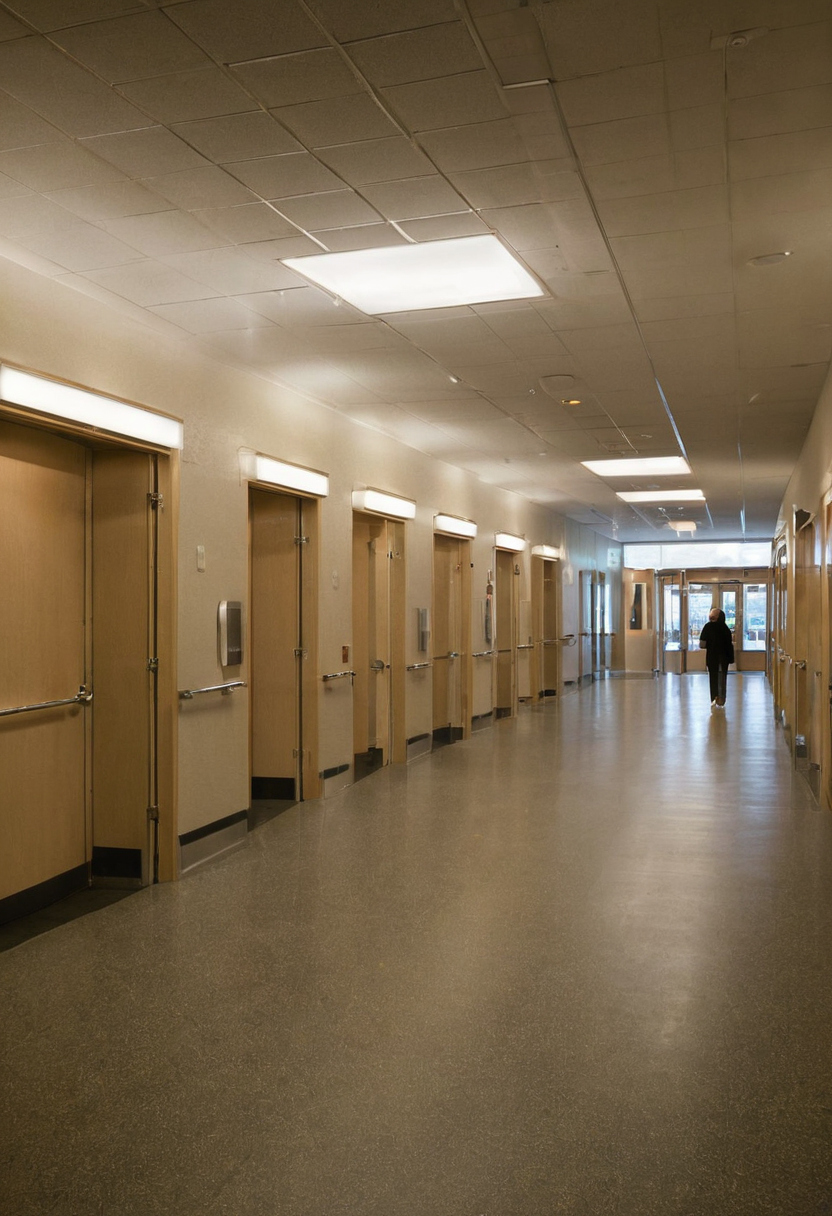
Which architectural design decisions control privacy before a residential concept plan is approved shown with practical context cues.
Upper floors and roof terraces create different privacy risks than ground-floor windows
Upper-floor glass, dormers, balconies, and roof decks need stricter review because height defeats fences and hedges. Screening should be permanent architecture, not a late accessory, and must still allow maintenance access, drainage, guarding, daylight, and ventilation.
How should architectural design use sun-path analysis to balance shade, daylight, and heat gain?
Sun-path analysis should be tested before fixing massing, glazing, overhangs, and courtyard proportions because the correct answer changes by orientation, season, latitude, nearby shade, glass specification, and climate priority.
- Check the seasonal path. The Sun rises due east and sets due west only around the equinoxes. InterNACHI describes orientation, daylighting, and thermal mass in Building Orientation for Optimum Energy.
- Separate cooling and heating goals. Cooling-dominated climates usually limit east and west glass and add exterior shade. Heating-dominated climates may justify more solar-facing glazing if insulation, airtightness, and glare are controlled.
- Treat low-angle sun as difficult. East and west windows receive lower sun that is harder to block with a simple horizontal overhang.
Window-to-wall ratio should be treated as a performance decision, not a style preference
Window-to-wall ratio controls outlook, daylight, heat gain, heat loss, glare, frame cost, structural lintels, privacy exposure, and procurement lead time. The Department of Energy explains that window, door, and skylight ratings compare heat gain, heat loss, and sunlight admission, and defines U-factor as the rate of non-solar heat flow: Energy Performance Ratings for Windows, Doors, and Skylights. The concept plan should tag each large opening with orientation, size, shading method, frame type, and expected glass performance.
InterNACHI’s passive-solar guidance says a rectangular house can run its ridgeline east to west to maximize the southern side in the Northern Hemisphere. It also reports that re-orienting homes toward the Sun without added solar features can save 10 to 20 percent on home heating, with some homes saving up to 40 percent, under the cited conditions.
Courtyards can improve daylight and privacy when their proportions match the climate and plot
Courtyards work best when the opening admits useful sky, allows air movement, drains safely, and blocks direct views. On narrow plots, a side or central courtyard can light middle rooms without putting full-height rear glass opposite another house. Risk appears when the courtyard is too deep, enclosed, or hard to maintain, so drainage, waterproofing, planting, irrigation, leaf litter, and service access need early coordination.
External shade should be designed before relying on internal blinds
External shade controls heat earlier because the sun is intercepted before it passes through glass. Fixed overhangs suit high summer sun on solar-facing elevations. Vertical fins, shutters, sliding screens, and deciduous planting are often better for east and west exposures. Internal blinds still matter for privacy, glare, and night visibility, but they do not reverse all heat gain after solar radiation has entered the room.
Setbacks, massing, and roof form decide whether a home can be extended later
A flexible residential concept plan preserves future extension zones before the first phase is built, using setbacks, structural grid, roof direction, stair location, services, drainage falls, and facade rhythm as future-cost controls.
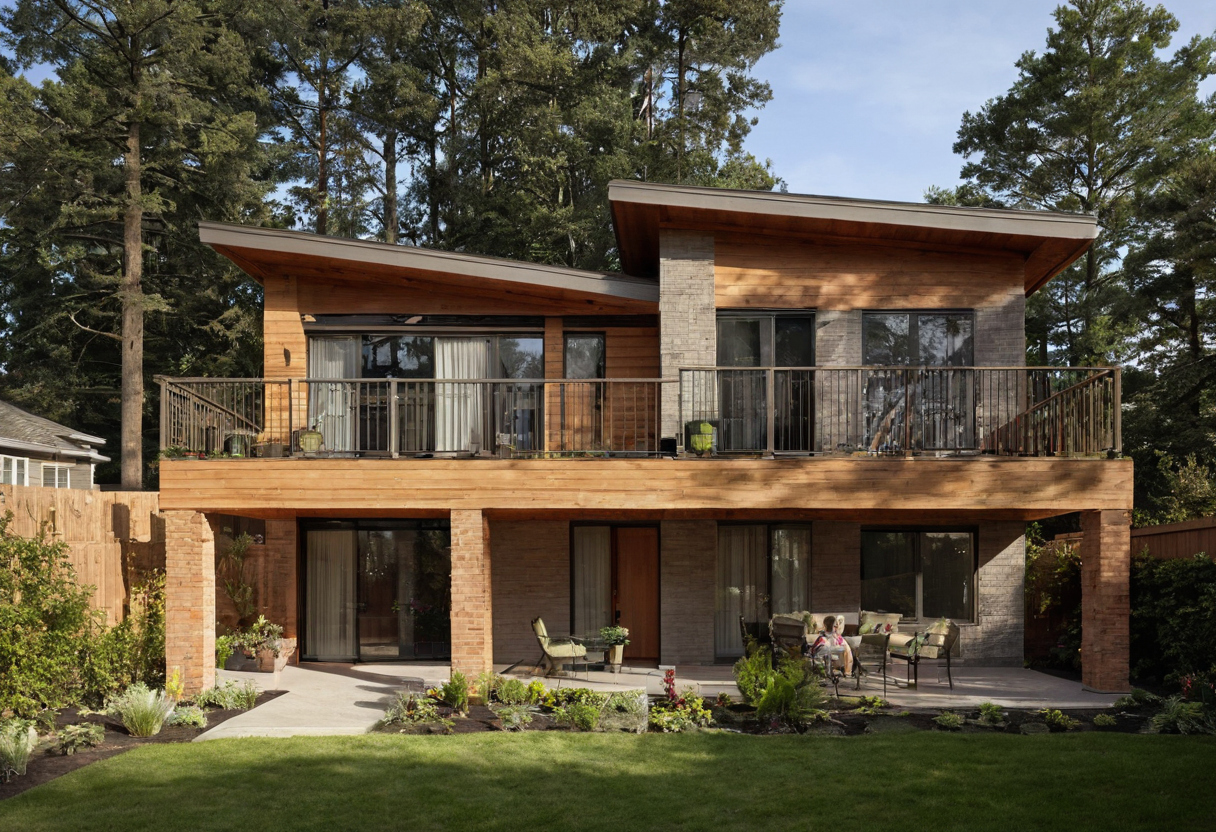
Setbacks, massing, and roof form decide whether a home can be extended later shown with practical context cues.
Future additions are cheaper when structure, services, and planning envelopes are reserved early
Planning controls usually test the future addition before the builder tests the soil. Front setbacks affect porches and garages, side setbacks affect access and fire separation, rear setbacks affect family-room additions, and height or lot-coverage limits can stop an upper floor even when the structure looks capable.
- Reserve a rear, side, or garage expansion zone instead of filling it with tanks, permanent drainage, or level changes.
- Ask about future load paths before footings are poured.
- Keep services legible so a later studio, bedroom, or bathroom can connect without opening finished ceilings.
- Design facade bays where a future opening may occur.
A small front porch addition shows the same principle: setback, roof tie-in, drainage, entry circulation, and facade balance all become harder once the first elevation is approved.
A simple massing option can be more adaptable than a complex architectural form
Simple massing is not automatically plain. A rectangular wing, courtyard bar, or townhouse-like stack can support better future change than a sculptural form with split levels, cantilevers, irregular roof valleys, and non-stacked wet rooms. Restrained minimalist house architecture often earns its budget because fewer junctions mean fewer places to demolish, waterproof, flash, and re-engineer.
- Choose roof pitches and truss directions that allow a clean rear or side extension.
- Avoid placing the stair where a future upper corridor must pass through a bedroom.
- Stack bathrooms, laundry, and kitchen walls where future plumbing is likely.
- Keep side access clear for scaffolding, drainage work, materials, and maintenance.
Circulation and service access determine whether the house can adapt without major demolition
Circulation controls privacy, noise, accessibility, renovation access, and future conversion, so stairs, corridors, side gates, utility rooms, risers, and garage links should be checked against likely life changes.
Service risers and wet rooms should be stacked where future change is likely
A plan that stacks bathrooms, laundries, kitchens, and plant rooms around a shared wall or vertical riser usually costs less to alter than a plan that scatters drains, ducts, and electrical distribution across the footprint. Moving a soil pipe, extractor route, or consumer unit after finishes are installed often means opening ceilings, lifting floors, and rebuilding waterproofing.
Adaptable plans usually reserve one ground-floor room that can become a bedroom, office, or quiet suite, with a nearby powder room sized so a shower can be added later. If the home includes a private gallery or collection room, the National Park Service Museum Handbook is a conservative reference for preservation, documentation, access, and use.
A side access route protects the garden, extension zone, and maintenance budget
Side access should be tested before approving the site plan. A narrow passage may suit bins and bicycles, but builders, drainage work, scaffold, heat-pump maintenance, tree work, and small landscaping machinery need more than a decorative gap. If the only route to the rear garden passes through the hall, every future patio, extension, or drainage repair becomes an interior protection job.
Window placement, glass type, and screens should be specified before choosing privacy blinds
Privacy blinds can solve daily comfort problems, but window position, sill height, glass type, reveal depth, external screens, planting, and room layout should be resolved first.
The best privacy solution depends on whether the problem is daytime views, night visibility, glare, or heat
A higher sill can protect a bathroom or bedroom from direct sightlines while still admitting sky light. Clerestory and transom windows suit rooms that need daylight more than a view. Angled reveals, recessed frames, and side screens can block oblique views without sealing the room.
Glass type should match the exposure. Clear glass preserves views but gives little privacy. Patterned, frosted, or obscure glass works for bathrooms, stairs, and side elevations, but sacrifices outlook. Low-e glass is a performance choice for heat control, not a privacy device by itself.
Blinds and shades are secondary controls. Top-down bottom-up shades protect the lower sightline while keeping daylight above eye level. Sheer fabrics soften glare by day but can expose silhouettes at night. Shutters, exterior louvers, and screens work better where heat, glare, and overlooking occur together.
A concept-plan review checklist should test privacy, shade, code limits, and future change together
Before approving a residential concept plan, the client should ask for one coordinated review that tests overlooking, sun exposure, daylight, extension capacity, circulation, service access, planning-code risk, buildability, maintenance, and budget impact under the actual site orientation, jurisdiction, and brief.
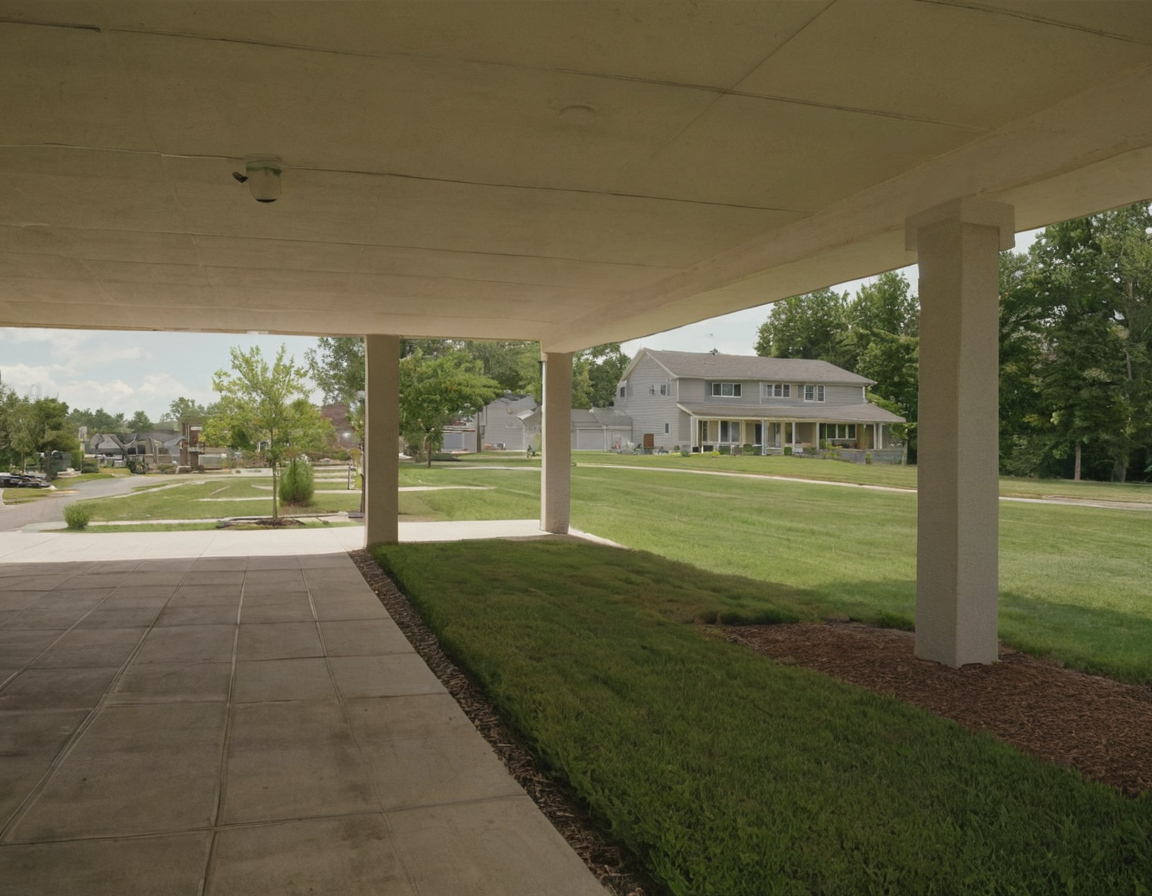
A concept-plan review checklist should test privacy, shade, code limits, and future change together shown with practical context cues.
The review table should compare each option by consequence, not by style name
| Option | Test | Decision language |
|---|---|---|
| Massing and setbacks | Privacy, code risk, extension zone | Low risk, acceptable with screening, or likely planning issue |
| Window layout | Overlooking, daylight, heat gain, procurement | Keep, reduce, raise sill, obscure, shade, or remodel opening |
| Courtyard and circulation | Shade, access, maintenance, future rooms | Flexible, constrained, or expensive to alter later |
The highest-risk changes are the ones that affect structure, planning approval, and services
Late changes to glazing size, roof geometry, drainage falls, structural steel, facade systems, or wet-room positions can trigger new drawings, revised engineering, amended permits, and contractor variations. Window specification should also move beyond appearance: the Department of Energy describes the NFRC label as a reliable way to compare window energy properties.
Detailed design can still hold finishes, joinery profiles, many light fittings, and house paint colors open. Lighting efficiency should not be ignored, since ENERGY STAR qualified LED lighting uses at least 75 percent less energy and lasts up to 25 times longer than incandescent lighting.
FAQ
What architectural design choices improve privacy before adding blinds or curtains?
Building position, room orientation, sill height, side-window treatment, courtyard layout, level changes, and fixed screens usually improve privacy more reliably than fabric alone.
How can a house get natural light without giving neighbors direct views inside?
Use clerestory windows, higher sills, angled reveals, courtyards, rooflights, planted buffers, and offset window positions so daylight comes from the sky rather than a direct eye-level view.
Are courtyards better than large rear windows for privacy and shade?
Courtyards can be better on narrow or overlooked plots, but only if their proportions, drainage, air movement, planting, and maintenance access are resolved early.
What window treatments provide privacy while still letting light in?
Top-down bottom-up shades, light-filtering fabrics, obscure glass, shutters, louvers, and screens can help, depending on daytime views, night visibility, glare, and heat.
Which concept-plan decisions are hardest to change after planning approval?
Massing, setbacks, roof form, structural grids, major window openings, drainage routes, stairs, wet-room positions, and service risers are the most expensive decisions to reverse later.